
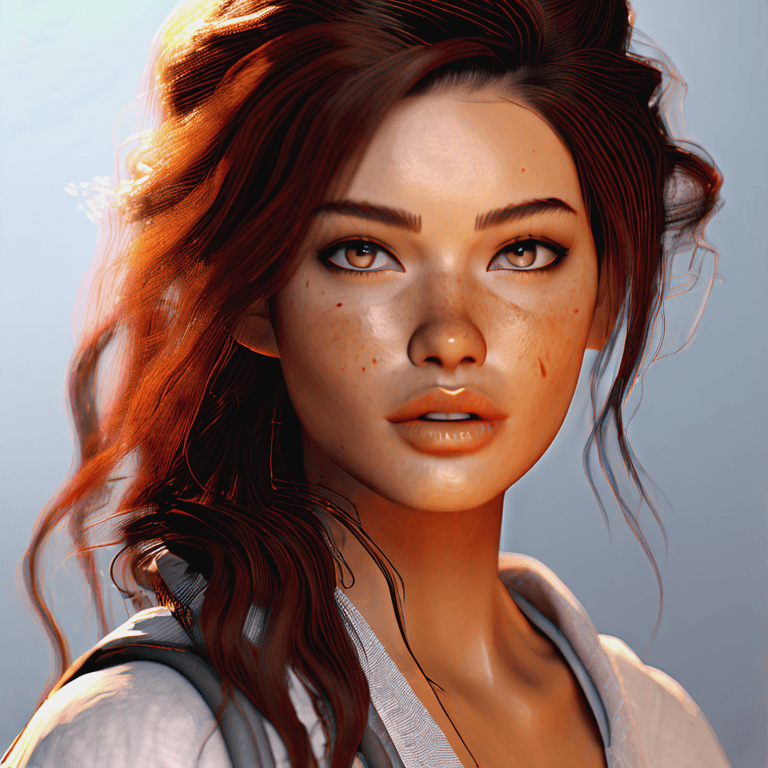
Best AI Character Generator Tools in 2025 (Professional Comparison)
Choosing the best AI character generator in 2025 is no longer about visual quality alone
Choosing the best AI character generator in 2025 is no longer about visual quality alone. Consistency, scalability, style flexibility, and commercial usability have become the key differentiators between tools that serve professional creative production and those that remain hobbyist novelties. The landscape of AI character generation has evolved rapidly, with new platforms emerging and established tools expanding their capabilities to meet the growing demand for high-quality, customizable character art across industries including gaming, marketing, entertainment, and content creation. In this comprehensive analysis, we'll examine the top AI character generators available in 2025, comparing their technical capabilities, workflow integration, commercial licensing, and practical applications for professional creators. Our evaluation criteria include output quality, consistency across multiple generations, style range, generation speed, user interface design, commercial licensing terms, customer support quality, and integration with existing creative tools and pipelines. Each platform we evaluate has been tested extensively with various character types, art styles, and generation scenarios to provide accurate assessments of their real-world performance and reliability. The tools that excel in our evaluation share several key characteristics: they provide reliable character consistency across multiple generations, offer clear commercial licensing terms, integrate smoothly into existing creative workflows, and demonstrate strong technical performance in terms of generation quality and speed. Additionally, we consider the platform's approach to prompt engineering, support for advanced features like image-to-image transformation and style customization, and their commitment to addressing the specific challenges faced by professional creators working with AI-generated character art.
Technical considerations for professional character generation
Technical considerations form the foundation of any professional AI character generation workflow. Modern character generators must handle complex visual elements like facial features, body proportions, clothing details, and environmental interactions with consistent accuracy. The best platforms employ advanced diffusion models like Stable Diffusion XL (SDXL) or proprietary architectures specifically fine-tuned for character generation, providing superior control over visual elements that are critical for character consistency. These models are typically trained on curated datasets focused specifically on character art, resulting in better anatomical accuracy, more consistent styling, and improved adherence to character-specific details across multiple generations. Key technical capabilities include support for negative prompting to exclude unwanted elements, adjustable generation parameters for fine-tuning output quality, and robust seed management for reproducible results. Advanced platforms also provide detailed control over lighting, composition, and artistic style, allowing creators to maintain character consistency while adapting to different visual contexts and requirements. The platforms that excel in professional applications also offer strong image-to-image capabilities, enabling creators to transform existing character concepts into new styles while preserving essential identity markers. This technical foundation directly impacts the practical usability of a character generator in professional contexts, where reliability and consistency are as important as raw generation quality.
Strategic Advantage in Automated Storytelling
As AI models improve and copyright-safe training becomes mainstream, character generation will become an essential tool for digital businesses. Whether you're a solo creative or a full production studio, adopting AI-driven character pipelines today gives you a strategic advantage in a world shifting quickly toward automated visual storytelling. The strategic value of AI character generation extends beyond simple cost savings or speed improvements; it encompasses the ability to rapidly prototype ideas, explore more creative directions, and scale visual content production to meet growing audience demands. Organizations that integrate AI character generation into their workflows gain flexibility in responding to market changes, the ability to experiment with new visual directions, and the capacity to maintain consistent character identities across multiple products and platforms. The technology also enables new business models, such as customizable products featuring personalized characters, interactive storytelling platforms, and dynamic content that adapts to user preferences. From a competitive standpoint, organizations using AI character generation can respond more quickly to market trends, produce more diverse character content, and allocate human creative resources to higher-level conceptual work rather than repetitive tasks. The strategic advantage also includes the accumulation of knowledge and expertise in AI-driven creative processes, positioning organizations to take advantage of future advances in the technology. As the quality of AI-generated characters continues to improve, the strategic advantage shifts toward organizations that have developed sophisticated workflows and quality control processes for integrating AI-generated content into their products and services.